
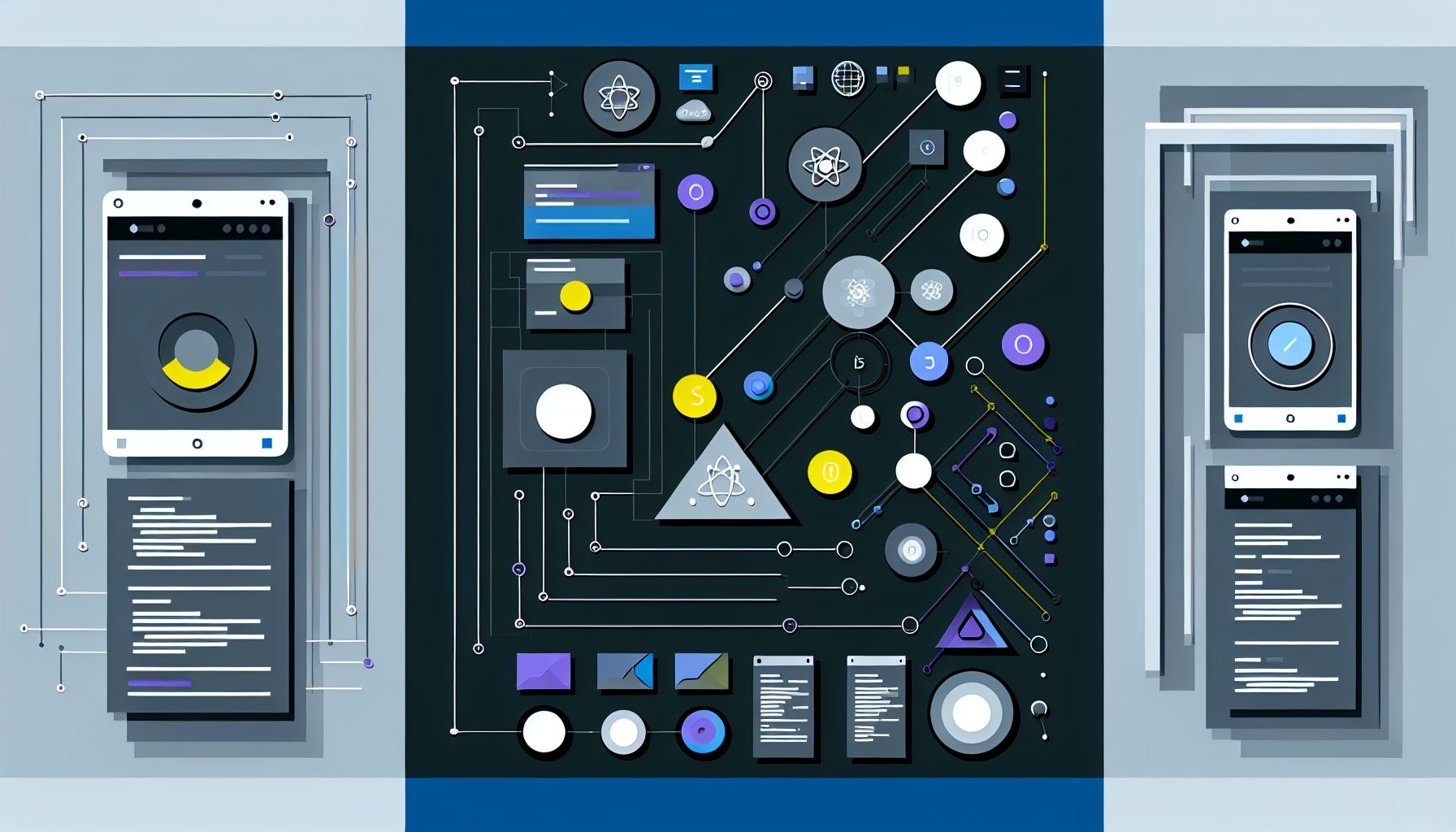
Designing a Scalable Progressive Web App: A Modern Web App Stack with React Frontend, Node API, and Modular Architecture
Progressive Web Apps (PWAs) have revolutionized the landscape of web development, offering a unique blend of web and mobile app features that result in a fast, reliable, and engaging user experience. This guide will focus on designing a scalable PWA using a modern tech stack that includes a React frontend, a Node.js API, and a modular architecture. You’ll discover essential components to consider in your stack choice and practical guidance on implementing these technologies effectively.
Estimated Reading Time: 7 minutes
- Understanding the features and benefits of PWAs.
- Key components of a scalable app stack: React, Node.js, and modular architecture.
- Concrete examples of implementation through case studies.
- Common challenges and best practices in developing PWAs.
- Frequently asked questions addressing common concerns.
Table of Contents
- Context and Challenges
- Solution / Approach
- Concrete Example / Case Study
- FAQ
- Authority References
- Conclusion
Context and Challenges
PWAs provide a seamless user experience, fulfilling the roles of both websites and native applications. However, achieving this balance imposes specific challenges. It’s crucial to grasp the concepts of service workers, caching strategies, and responsive design principles, all of which directly affect load speed, responsiveness, and user satisfaction.
Scalability remains one of the primary pain points for developers. As your user base expands, maintaining performance and reliability becomes paramount. Users today expect high availability and swift response times from applications, making engagement metrics and stability critical for success.
Moreover, the rapid evolution of libraries and frameworks presents its own complications. Utilizing React enables a component-based architecture on the frontend, while Node.js excels as a non-blocking, event-driven backend solution. However, achieving modularity within this ecosystem can induce complexity without proper management.
Solution / Approach
The solution involves a modern tech stack that fosters modularity and scalability, beginning with a React frontend. React allows developers to create reusable components, greatly improving development speed and maintainability. Additionally, the virtual DOM in React optimizes performance for complex interfaces by minimizing direct DOM manipulations.
On the server side, a Node.js API effectively manages multiple simultaneous connections, thanks to its non-blocking architecture. This framework allows for efficient request handling, which is vital for maintaining performance during high loads.
Implementing a modular architecture is key to this stack’s organization. By structuring the application so that components remain isolated yet communicate through well-defined interfaces, developers can ensure independent development, testing, and deployment of each application section. This tactic increases flexibility and facilitates seamless updates and maintenance.
Developers aiming to leverage these strategies should consider collaborating with a proficient development agency. For example, MySushiCode specializes in creating scalable web solutions and can assist your team in navigating the intricacies of PWA development.
Concrete Example / Case Study
Consider an ecommerce platform that transitioned to a PWA using the discussed stack. Initially, the platform struggled with load times and poor user retention. After adopting a modular design with React and Node.js, the team observed significant performance improvements.
The frontend was segmented into manageable components, each responsible for distinct UI elements such as product listings, cart functionality, and authentication processes. Shared state management tools like Redux facilitated smooth data flow throughout the application.
On the backend, the Node.js API was architected to scale horizontally, utilizing clustering to distribute incoming requests efficiently across multiple instances. Furthermore, the team implemented caching strategies to store frequently accessed resources, directly enhancing load speeds.
As a result of these enhancements, the platform recorded a remarkable 40% reduction in load times and a 25% boost in user engagement metrics within three months. This example underscores the importance of thoughtful architectural and technological choices in achieving desired outcomes.
FAQ
What are the key benefits of using React for a PWA?
React’s component-based architecture facilitates the development of highly interactive user interfaces. Its efficient rendering capabilities are particularly advantageous for maximizing performance, which is critical in retaining users within a PWA context.
How does Node.js handle scalability?
Node.js operates on an event-driven, non-blocking I/O model, allowing it to handle numerous connections concurrently without being hindered by slower operations. This architecture is ideal for applications that experience fluctuating workloads and high levels of concurrent usage.
What is the importance of a modular architecture?
Modular architecture enables teams to develop and maintain application components independently, enhancing scalability and easing the management of the codebase over time. By allowing different teams to collaborate on various application sections, it minimizes bottlenecks and optimizes productivity.
Authority References
- What is a Progressive Web App? – Web.dev
- Official React Documentation – ReactJS.org
- Getting Started with Node.js – Node.js Documentation
Conclusion
Designing a scalable Progressive Web App entails meticulous selection of your tech stack and architectural design. By implementing a React frontend alongside a Node.js API and adhering to a modular architectural framework, developers can build applications that evolve with user needs while ensuring peak performance. As the appetite for sophisticated digital experiences continues to grow, employing these tools will be essential to maintain a competitive edge. While this journey may be challenging, access to the right knowledge and collaborative partnerships can enable the development of a robust PWA within reach.


Leave a Reply