
app.use('/api/users', userRoutes);This modular organization not only organizes the code but also simplifies testing and deployment of individual components. As the user base grows, developers can choose to scale each module independently based on traffic.
The advantage of PWA support means that users can access the application even offline, along with receiving notifications about their orders, thereby enhancing overall customer engagement. By employing caching strategies, the application can deliver quick responses even under poor network conditions.
FAQ
1. What are the main benefits of using React for a SaaS web app?
React’s component-based structure enables code reusability, which streamlines development processes. It also provides a faster and more efficient way to update the user interface through its virtual DOM, greatly enhancing performance.
2. How does Node.js improve the performance of web applications?
Node.js operates under a non-blocking I/O model, allowing it to manage multiple requests simultaneously. This characteristic is particularly beneficial for scenarios that demand real-time performance, making it an ideal choice for streaming applications and APIs.
3. Why is PWA support crucial for modern web apps?
PWA support elevates user experience by facilitating offline access, rapid load times, and push notifications. Such features can significantly boost user engagement and satisfaction, which are essential for retaining users in a competitive environment.
Authority References
- What is a Progressive Web App? – Google Developers
- JavaScript Guide – Mozilla Developer Network
- Getting Started with Express – Express.js Documentation
Conclusion
Effectively building a scalable SaaS web application requires a synergy of modern technologies such as React, Node.js, modular APIs, and PWA support. By accurately addressing the inherent challenges of web app development, developers can create applications that efficiently serve users while adapting to their evolving needs. Take inspiration from successful implementations like MySushiCode and embark on your journey toward developing a high-performance web app today!
On the backend, Node.js processes requests utilizing an Express server. Each module (users, orders, menu, payment) corresponds to its distinct route, for example:
app.use('/api/users', userRoutes);This modular organization not only organizes the code but also simplifies testing and deployment of individual components. As the user base grows, developers can choose to scale each module independently based on traffic.
The advantage of PWA support means that users can access the application even offline, along with receiving notifications about their orders, thereby enhancing overall customer engagement. By employing caching strategies, the application can deliver quick responses even under poor network conditions.
FAQ
1. What are the main benefits of using React for a SaaS web app?
React’s component-based structure enables code reusability, which streamlines development processes. It also provides a faster and more efficient way to update the user interface through its virtual DOM, greatly enhancing performance.
2. How does Node.js improve the performance of web applications?
Node.js operates under a non-blocking I/O model, allowing it to manage multiple requests simultaneously. This characteristic is particularly beneficial for scenarios that demand real-time performance, making it an ideal choice for streaming applications and APIs.
3. Why is PWA support crucial for modern web apps?
PWA support elevates user experience by facilitating offline access, rapid load times, and push notifications. Such features can significantly boost user engagement and satisfaction, which are essential for retaining users in a competitive environment.
Authority References
- What is a Progressive Web App? – Google Developers
- JavaScript Guide – Mozilla Developer Network
- Getting Started with Express – Express.js Documentation
Conclusion
Effectively building a scalable SaaS web application requires a synergy of modern technologies such as React, Node.js, modular APIs, and PWA support. By accurately addressing the inherent challenges of web app development, developers can create applications that efficiently serve users while adapting to their evolving needs. Take inspiration from successful implementations like MySushiCode and embark on your journey toward developing a high-performance web app today!
Key challenges include:
- Scalability: The application must effectively handle an increasing number of users without any decline in performance.
- Maintainability: Structured code and components allow for easier development and updates.
- Performance: Optimizing interactions between the backend and frontend to ensure a seamless user experience.
- Cross-Platform Compatibility: Ensuring accessibility across various devices and platforms, facilitated by PWA support.
Understanding these challenges is essential for developers aspiring to implement a scalable SaaS web application. Now, let’s delve into a solution that effectively addresses these issues.
Solution / Approach
The architecture outlined in this paper uses React for the frontend, Node.js for the backend, modular APIs for clear separation of concerns, and PWA support for an enhanced user experience. Here’s a closer look at how each component contributes to the creation of a high-performance web application:
1. React: By leveraging React’s component-based architecture, developers can create reusable UI components that accelerate development and improve maintainability. Moreover, its virtual DOM ensures that only necessary changes are rendered, resulting in performance gains.
2. Node.js: Built on Chrome’s V8 engine, Node.js offers a runtime environment that facilitates non-blocking, event-driven operations. This is particularly beneficial for I/O-heavy applications, capable of handling a high number of concurrent connections.
3. Modular APIs: Adopting a modular architecture for APIs organizes backend logic effectively. Each module can manage specific features or services, making the codebase easier to scale and maintain. For instance, a payment processing module operates independently from a user management module, allowing enhanced flexibility and scalability.
4. Progressive Web App (PWA) Support: Incorporating PWA features delivers an app-like experience through the web. This approach includes offline functionality, push notifications, and quicker load times, all of which contribute to enhanced user engagement and retention.
A project like MySushiCode effectively demonstrates how these technologies integrate to produce high-performance web applications, showcasing effective modular design and PWA implementation.
Concrete Example / Case Study
Consider a fictional SaaS application designed for managing online food delivery services. This application comprises various modules: user authentication, order management, menu display, and payment processing.
Using React, the UI splits into components that represent different aspects of the application. For example, a MenuItem component displays individual food items, while the OrderSummary component provides live updates on customer orders, ensuring a responsive user interface.
On the backend, Node.js processes requests utilizing an Express server. Each module (users, orders, menu, payment) corresponds to its distinct route, for example:
app.use('/api/users', userRoutes);This modular organization not only organizes the code but also simplifies testing and deployment of individual components. As the user base grows, developers can choose to scale each module independently based on traffic.
The advantage of PWA support means that users can access the application even offline, along with receiving notifications about their orders, thereby enhancing overall customer engagement. By employing caching strategies, the application can deliver quick responses even under poor network conditions.
FAQ
1. What are the main benefits of using React for a SaaS web app?
React’s component-based structure enables code reusability, which streamlines development processes. It also provides a faster and more efficient way to update the user interface through its virtual DOM, greatly enhancing performance.
2. How does Node.js improve the performance of web applications?
Node.js operates under a non-blocking I/O model, allowing it to manage multiple requests simultaneously. This characteristic is particularly beneficial for scenarios that demand real-time performance, making it an ideal choice for streaming applications and APIs.
3. Why is PWA support crucial for modern web apps?
PWA support elevates user experience by facilitating offline access, rapid load times, and push notifications. Such features can significantly boost user engagement and satisfaction, which are essential for retaining users in a competitive environment.
Authority References
- What is a Progressive Web App? – Google Developers
- JavaScript Guide – Mozilla Developer Network
- Getting Started with Express – Express.js Documentation
Conclusion
Effectively building a scalable SaaS web application requires a synergy of modern technologies such as React, Node.js, modular APIs, and PWA support. By accurately addressing the inherent challenges of web app development, developers can create applications that efficiently serve users while adapting to their evolving needs. Take inspiration from successful implementations like MySushiCode and embark on your journey toward developing a high-performance web app today!
MySushiCode-Inspired Blueprint: Building a Scalable SaaS Web App with React, Node, Modular APIs, and PWA Support
Creating a scalable Software as a Service (SaaS) web application can be a complex undertaking for developers. It demands a robust architecture, a thoughtful combination of modern technologies, and a deep understanding of user needs. This article serves as a detailed guide inspired by MySushiCode, outlining a tech stack that comprises React, Node.js, modular APIs, and Progressive Web App (PWA) support.
Estimated Reading Time: 7 minutes
Key Takeaways
- Scalability is critical for accommodating increased user loads in SaaS applications.
- Modular architecture simplifies maintenance and enhances the application’s performance.
- PWA support provides features like offline access and push notifications, improving user engagement.
- React’s component-based design allows rapid UI development and increased maintainability.
- Node.js offers a non-blocking architecture that is ideal for high-concurrency applications.
Table of Contents
- Context and Challenges
- Solution / Approach
- Concrete Example / Case Study
- FAQ
- Authority References
- Conclusion
Context and Challenges
As the demand for web applications escalates, developers meet various challenges related to scalability, performance, and user experience. A SaaS application must efficiently cater to multiple users while maintaining excellent performance, regardless of the load. This necessitates adopting the right technologies and adhering to established best practices in software design and architecture.
Key challenges include:
- Scalability: The application must effectively handle an increasing number of users without any decline in performance.
- Maintainability: Structured code and components allow for easier development and updates.
- Performance: Optimizing interactions between the backend and frontend to ensure a seamless user experience.
- Cross-Platform Compatibility: Ensuring accessibility across various devices and platforms, facilitated by PWA support.
Understanding these challenges is essential for developers aspiring to implement a scalable SaaS web application. Now, let’s delve into a solution that effectively addresses these issues.
Solution / Approach
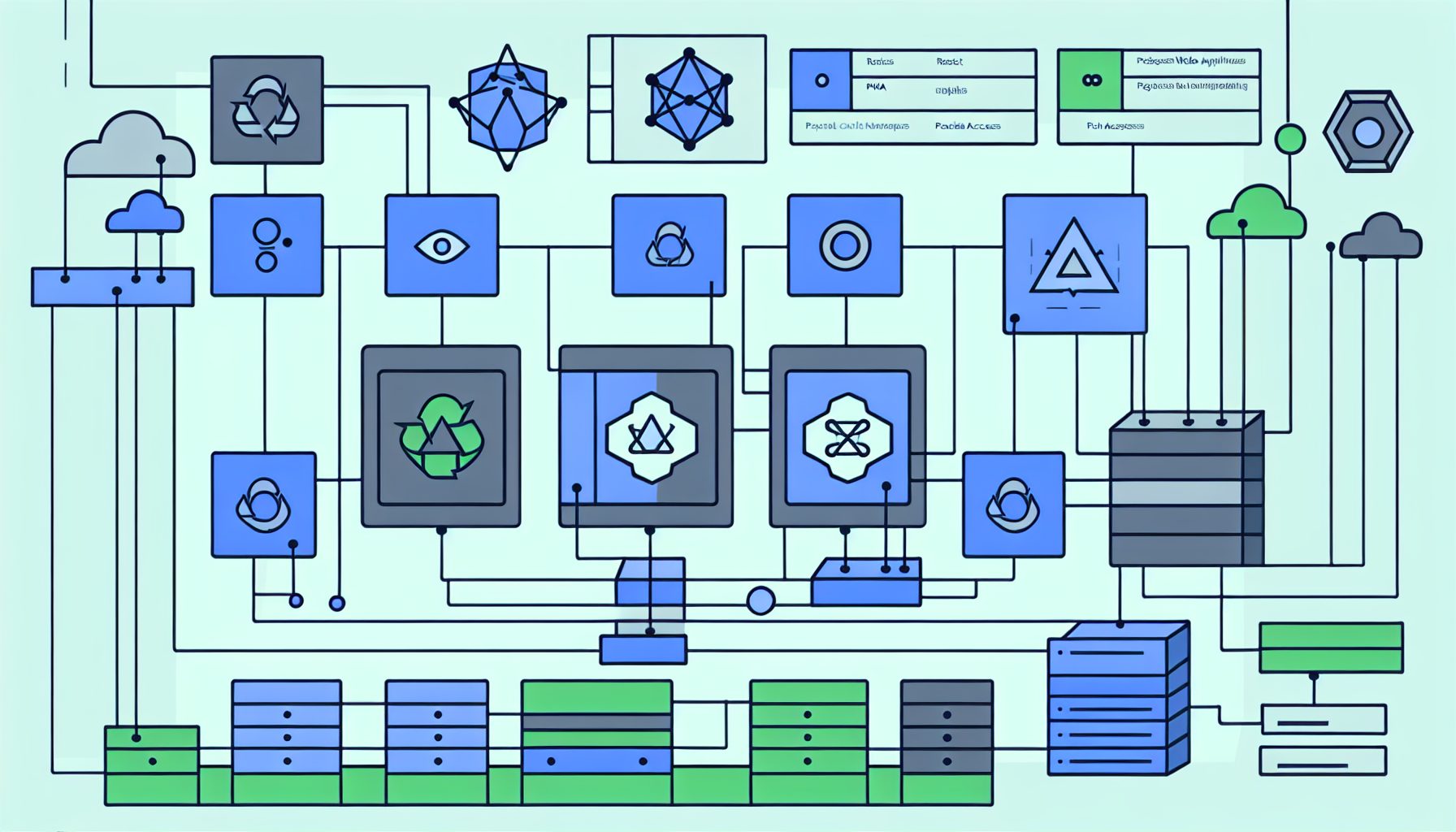
The architecture outlined in this paper uses React for the frontend, Node.js for the backend, modular APIs for clear separation of concerns, and PWA support for an enhanced user experience. Here’s a closer look at how each component contributes to the creation of a high-performance web application:
1. React: By leveraging React’s component-based architecture, developers can create reusable UI components that accelerate development and improve maintainability. Moreover, its virtual DOM ensures that only necessary changes are rendered, resulting in performance gains.
2. Node.js: Built on Chrome’s V8 engine, Node.js offers a runtime environment that facilitates non-blocking, event-driven operations. This is particularly beneficial for I/O-heavy applications, capable of handling a high number of concurrent connections.
3. Modular APIs: Adopting a modular architecture for APIs organizes backend logic effectively. Each module can manage specific features or services, making the codebase easier to scale and maintain. For instance, a payment processing module operates independently from a user management module, allowing enhanced flexibility and scalability.
4. Progressive Web App (PWA) Support: Incorporating PWA features delivers an app-like experience through the web. This approach includes offline functionality, push notifications, and quicker load times, all of which contribute to enhanced user engagement and retention.
A project like MySushiCode effectively demonstrates how these technologies integrate to produce high-performance web applications, showcasing effective modular design and PWA implementation.
Concrete Example / Case Study
Consider a fictional SaaS application designed for managing online food delivery services. This application comprises various modules: user authentication, order management, menu display, and payment processing.
Using React, the UI splits into components that represent different aspects of the application. For example, a MenuItem component displays individual food items, while the OrderSummary component provides live updates on customer orders, ensuring a responsive user interface.
On the backend, Node.js processes requests utilizing an Express server. Each module (users, orders, menu, payment) corresponds to its distinct route, for example:
app.use('/api/users', userRoutes);This modular organization not only organizes the code but also simplifies testing and deployment of individual components. As the user base grows, developers can choose to scale each module independently based on traffic.
The advantage of PWA support means that users can access the application even offline, along with receiving notifications about their orders, thereby enhancing overall customer engagement. By employing caching strategies, the application can deliver quick responses even under poor network conditions.
FAQ
1. What are the main benefits of using React for a SaaS web app?
React’s component-based structure enables code reusability, which streamlines development processes. It also provides a faster and more efficient way to update the user interface through its virtual DOM, greatly enhancing performance.
2. How does Node.js improve the performance of web applications?
Node.js operates under a non-blocking I/O model, allowing it to manage multiple requests simultaneously. This characteristic is particularly beneficial for scenarios that demand real-time performance, making it an ideal choice for streaming applications and APIs.
3. Why is PWA support crucial for modern web apps?
PWA support elevates user experience by facilitating offline access, rapid load times, and push notifications. Such features can significantly boost user engagement and satisfaction, which are essential for retaining users in a competitive environment.
Authority References
- What is a Progressive Web App? – Google Developers
- JavaScript Guide – Mozilla Developer Network
- Getting Started with Express – Express.js Documentation
Conclusion
Effectively building a scalable SaaS web application requires a synergy of modern technologies such as React, Node.js, modular APIs, and PWA support. By accurately addressing the inherent challenges of web app development, developers can create applications that efficiently serve users while adapting to their evolving needs. Take inspiration from successful implementations like MySushiCode and embark on your journey toward developing a high-performance web app today!


Leave a Reply