
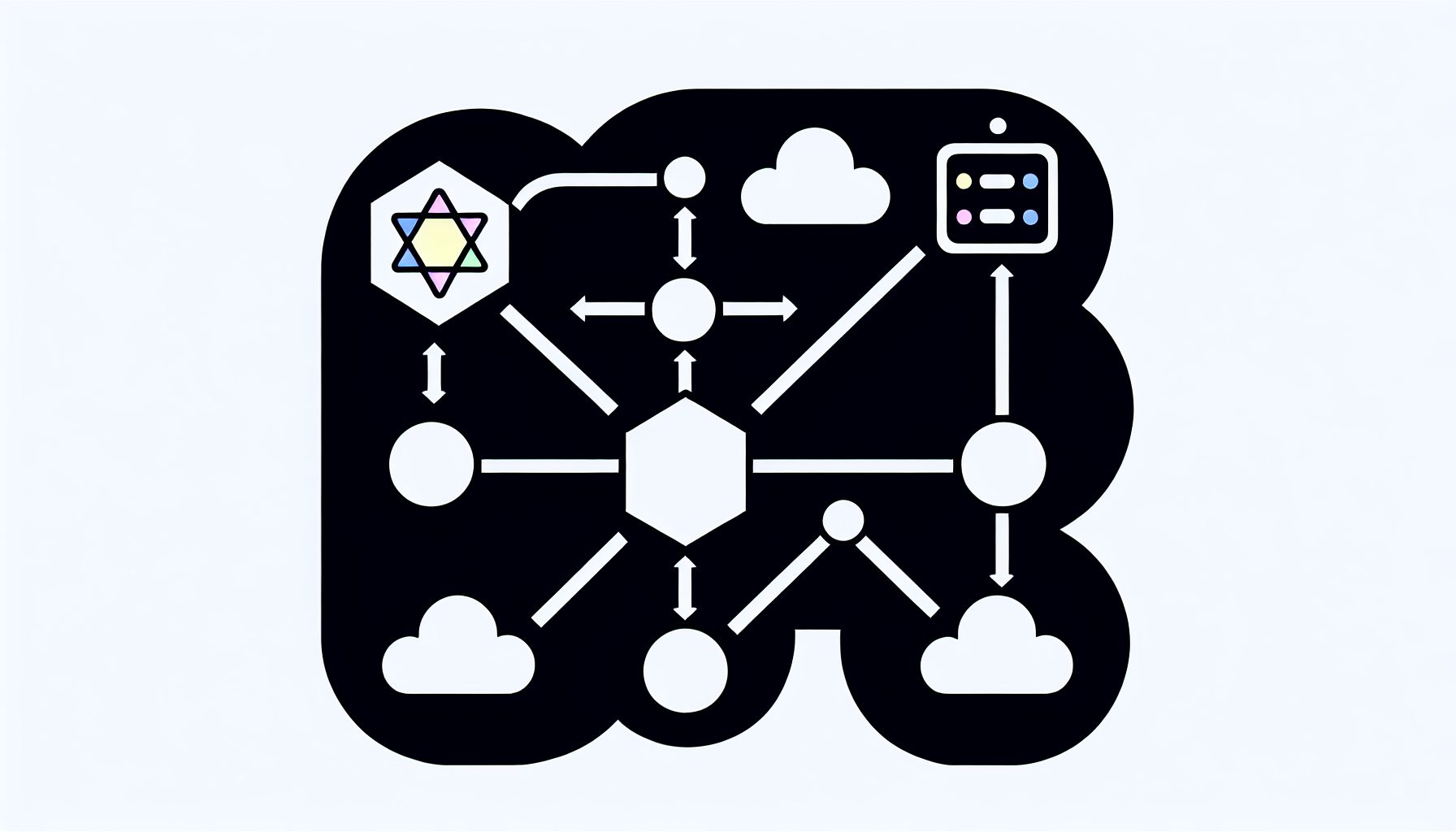
Designing a Modular SaaS Web App: Scalable React Frontend, Node API, and Progressive Web App Architecture
As the demand for Software as a Service (SaaS) applications continues to rise, developers face the challenge of creating systems that are not only efficient and scalable but also capable of adapting to the evolving needs of users. By embracing a modular architecture that includes a scalable React frontend, a Node.js API, and the principles of Progressive Web App (PWA) design, businesses can construct resilient and future-proof web applications.
Estimated Reading Time: 7 minutes
- Understanding the significance of modular architecture in SaaS applications.
- Learning how a scalable React frontend enhances application performance.
- The role of a Node.js API in facilitating a responsive backend.
- Key features of Progressive Web Apps that improve user experience.
- Real-world examples that highlight effective implementation strategies.
Table of Contents
- Context and Challenges
- Solution / Approach
- Concrete Example / Case Study
- FAQ
- Authority References
- Conclusion
Context and Challenges
A modular SaaS web application is developed in distinct, manageable parts, or modules, which can be independently constructed and maintained. This design is essential in environments characterized by rapid technological advancement and fluctuating user demands. However, developers often face challenges such as integrating new features without disrupting existing functionality and managing technical debt that can’t easily be addressed.
To successfully navigate these challenges, it’s imperative to understand your operational landscape, including:
- Technological Evolution: The pace of technological change can be overwhelming, necessitating constant adaptation.
- User Expectations: Users now demand seamless and engaging application experiences.
- Technical Debt: Previous design decisions can create significant barriers to future scalability.
Solution / Approach
The key to constructing a modular SaaS application is a robust architectural design that accommodates growth. By utilizing a scalable React frontend, a Node.js API, and adhering to PWA standards, developers can foster a flexible and maintainable application framework.
- React Frontend: React’s component-based architecture allows for the creation of reusable UI components. This modularity means that adding new features is straightforward, significantly reducing the burden of code overhauls.
- Node.js API: Employing a RESTful API built with Node.js enables efficient handling of multiple requests simultaneously, thanks to its non-blocking I/O model. This further enhances the scalability of specific application features through independent API modules.
- PWA Architecture: Combining web and mobile app features, PWAs offer reliable, fast user experiences, even in poor network conditions. Service workers cache resources to enable offline capabilities, ensuring a high level of application availability and performance.
To implement this approach effectively, it can be advantageous to collaborate with experienced developers. Organizations such as MySushiCode showcase best practices in integrating various architectural components into cohesive solutions, making management and subsequent adaptations more manageable.
Concrete Example / Case Study
To illustrate the power of this modular SaaS approach, let’s examine a hypothetical company that is creating a project management tool.
The development team opts for React to design its frontend dashboard, crafting modular components for tasks, user settings, and analytics. Each module’s independence assures that modifications or upgrades do not disrupt the entire application.
On the backend, the team utilizes a Node.js API, structuring it around key functionalities such as user authentication and task assignment. When new workflows are required, these can be integrated as new API modules, allowing for continuous system refinement without disrupting existing services.
Further, by implementing the application as a Progressive Web App, users gain the ability to install it on their devices and utilize offline features, resulting in faster load times and increased user satisfaction.
This case study underscores how a versatile, modular application can respond effectively to changing user needs, while also promoting improved project management practices, clear communication, and iterative development.
FAQ
What are the primary benefits of a modular design for SaaS applications?
A modular design presents numerous advantages, including:
- Greater flexibility to adapt features rapidly.
- Easier maintenance and updates without extensive downtime.
- Improved scalability by allowing specific parts to grow as needed.
How does React contribute to the modularity of a web application?
React enables a modular structure through its component-based design, allowing developers to create reusable UI components that can be tested and updated independently. This isolation minimizes the risk of changes in one area affecting others.
What challenges might I face when implementing a Node.js API in my SaaS application?
While Node.js is known for its efficiency, it can introduce complexities such as callback hell or unhandled promise rejections. By structuring your code properly and leveraging libraries designed for handling asynchronous operations, these issues can be effectively managed.
Authority References
For further reading on the principles of building solid SaaS applications, consider exploring:
Conclusion
In conclusion, developing a modular SaaS web application is crucial for businesses seeking to remain competitive in today’s fast-paced technology landscape. By leveraging a scalable React frontend, a Node.js API, and PWA principles, organizations can create applications that adapt efficiently to user needs. Embracing these methodologies not only enhances application performance but also facilitates better resource management, preparing your application for future growth.


Leave a Reply