
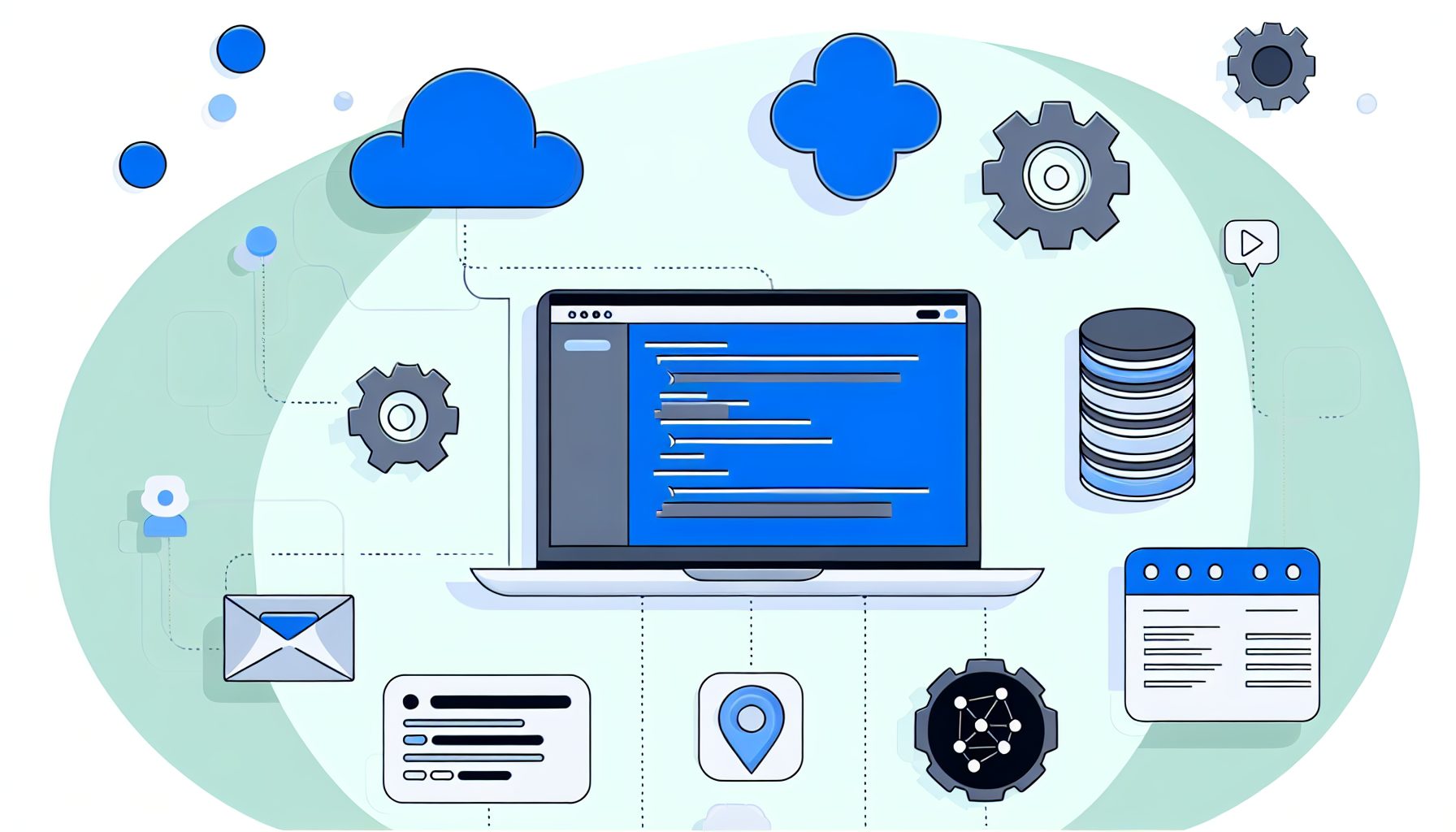
Building a Scalable Offline-First SaaS Web App: React Frontend, Node Backend, and Robust API Architecture
In today’s fast-paced digital landscape, the ability to build applications that can function offline and synchronize data when connectivity is restored is increasingly crucial. This is particularly true for SaaS (Software as a Service) applications that serve users in regions with intermittent internet access. By adopting an offline-first strategy, you can enhance user experience, increase engagement, and ensure your application performs reliably regardless of network conditions. In this article, we’ll explore how to create a scalable offline-first SaaS web app using a React frontend, a Node.js backend, and a robust API architecture.
Estimated reading time: 8 minutes
- Understand the core principles of creating an offline-first application.
- Explore challenges related to user experience and data synchronization.
- Implement a React frontend with service workers for caching capabilities.
- Set up a Node.js backend using Express for effective data management.
- Learn data synchronization techniques for offline-first applications.
- Review a concrete example of building an offline-first note-taking app.
Context and Challenges
Building an offline-first application requires a shift in mindset. Typically, web apps are designed to be online-centric, relying heavily on constant internet connectivity. However, challenges arise when users experience weak or no connectivity. The stakes are high, especially for businesses aiming to keep their users engaged regardless of external factors.
Key pain points include:
- User Experience: Users expect applications to respond quickly. Delays due to poor connectivity can lead to frustration.
- Data Synchronization: Handling data conflicts and ensuring data integrity when reconnecting to the internet can be a significant challenge.
- Resource Management: Managing local storage effectively while keeping the app performant is critical.
To tackle these challenges, developers need to understand important concepts such as service workers, local storage options, and API design patterns that support offline operations. Understanding these components is vital in building a resilient application.
Solution / Approach
The backbone of an offline-first app is its architecture, which typically involves a React frontend interfacing with a Node.js backend. The interplay between the two is crucial in delivering a seamless user experience.
Here’s how to approach building this architecture:
- Frontend Development with React: Use React to build a dynamic and responsive user interface. Implement service workers using Create React App to cache essential assets and API responses. This will allow the app to serve cached content when the network is unavailable.
- Node.js Backend: Set up an API with Node.js and Express. This backend will handle all database interactions and serve data to the frontend. You can use MongoDB or PostgreSQL for handling user data and content.
- Data Synchronization Strategy: Develop a synchronization process that triggers when the app detects a stable internet connection. This can be achieved using event listeners in the service worker that tap into the online/offline events.
- Cloud Storage and Database: For remote data storage solutions, consider using cloud services that offer scalable databases. They can handle data synchronization efficiently, which is crucial for offline-first applications.
- Outsourcing Development: If your team lacks the necessary skills or resources, consider leveraging outsourcing options. Outsource your development to experts who can help streamline the build process and ensure best practices are followed.
This layered architecture enables developers to create an app that not only works offline but also syncs seamlessly when connectivity is restored, enhancing the overall user experience.
Concrete Example / Case Study
Let’s take a look at a practical example: Building an offline-first note-taking app. Imagine this app, called “QuickNotes,” is intended for users who may frequently find themselves in environments with limited connectivity, such as during travel or in remote areas.
Here’s the approach:
- Frontend: The QuickNotes app will use React with a service worker to cache both the application shell and any previously saved notes.
- Backend: The Node.js server will expose RESTful endpoints for creating, retrieving, updating, and deleting notes. As users add or modify notes offline, these changes will be queued.
- Synchronization: When the app detects that it’s back online, it checks the queue for changes and updates the remote database accordingly. If conflicts arise (e.g., if two devices modified the same note), the app can prompt users to resolve the issue.
Through this example, we see how implementing a robust offline-first strategy not only meets user needs but also builds a resilient application that operates effectively regardless of external conditions. The lessons learned here focus on careful planning of data flow and ensuring the user experience is prioritized even in the face of connectivity challenges.
FAQ
What is the main benefit of an offline-first approach?
The primary benefit is improved user experience. Users can continue to work without interruption, and data is synchronized once reconnected, ensuring continuous productivity.
How do service workers work in an offline-first application?
Service workers act as a proxy between your web app and the network. They intercept network requests and serve cached responses when offline, allowing the app to continue functioning without an active internet connection.
What tools can aid in developing an offline-first web app?
Some essential tools include React for the frontend, Express for the Node.js backend, and local storage solutions like IndexedDB for storing data locally while offline.
Authority References
Conclusion
Building a scalable offline-first SaaS web app is not just a technological challenge; it’s an opportunity to enhance user experience and facilitate seamless interaction in unpredictable environments. By leveraging a React frontend with a Node.js backend and implementing thoughtful API architecture, you can create a reliable, user-friendly application. Remember, careful planning around data synchronization and effective management of local storage are critical. Ultimately, investing in a robust development approach—possibly with help from external experts—will pay dividends in user satisfaction and application performance.


Leave a Reply