
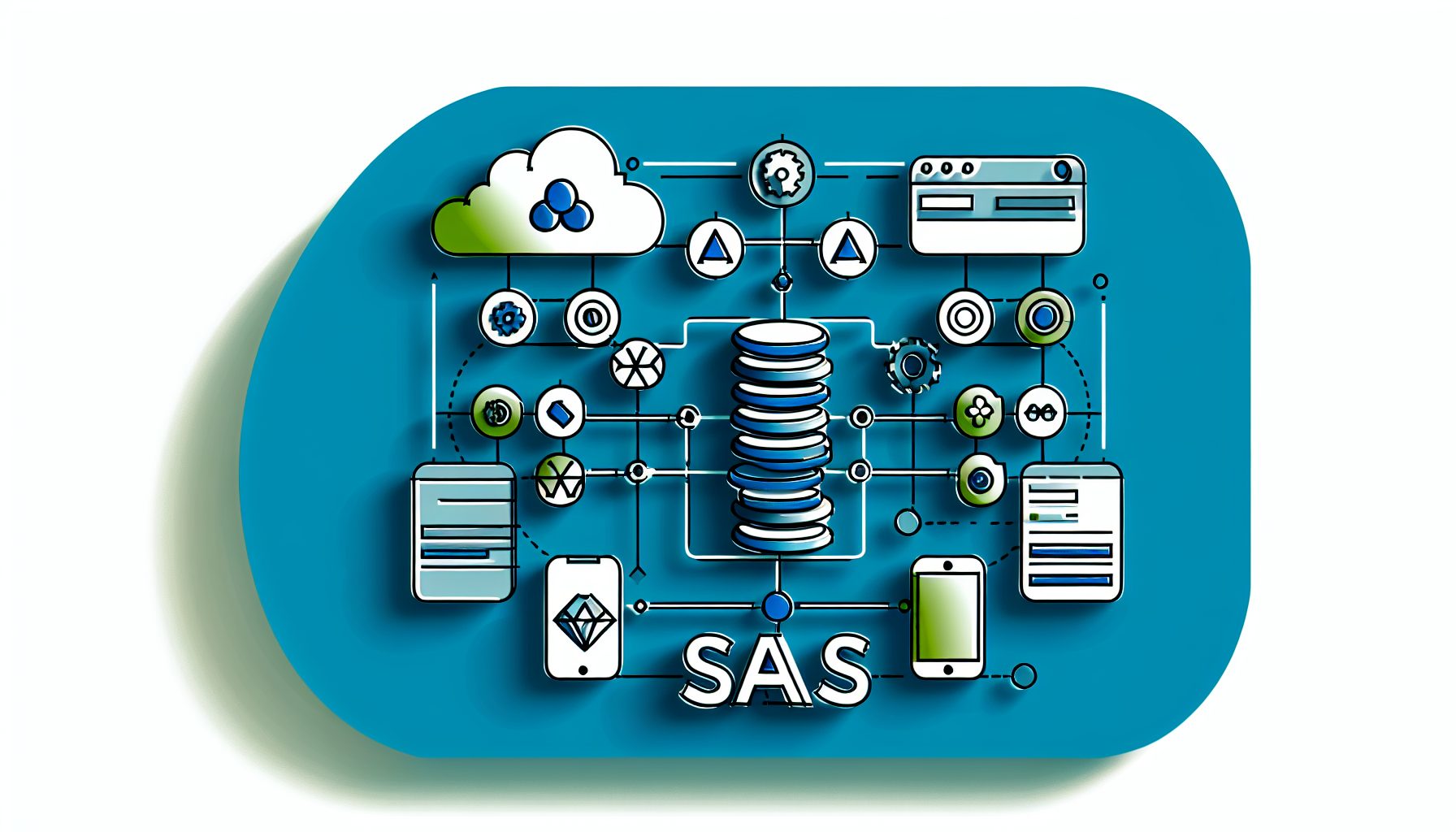
Scalable SaaS Web Apps: Building a PWA-First Architecture with React Frontend, Node Backend, and API Orchestration
In today’s digital landscape, the demand for scalable software as a service (SaaS) applications continues to rise. Businesses are seeking solutions that not only provide stellar user experiences but also can handle varying loads effectively. Enter Progressive Web Apps (PWAs). This article delves into the architecture needed for building a PWA-first SaaS solution using a React frontend, Node backend, and efficient API orchestration.
Estimated Reading Time: 8 minutes
- Understand the challenges of scalable PWA development.
- Learn about the benefits of using React for frontend architecture.
- Explore the role of Node.js in backend scalability.
- Discover the importance of API orchestration for complex applications.
- Review a hypothetical case study detailing a real estate platform.
- Find answers to common questions about PWAs and SaaS development.
Context and Challenges
A Progressive Web App combines the best of web and mobile apps, providing a seamless user experience while being accessible through a simple web browser. However, developing a scalable PWA can pose various challenges, particularly with complex architectures involving multiple components such as React, Node.js, and various APIs.
One of the key pain points when building scalable web applications is ensuring your app can handle thousands of simultaneous users without a hitch. Additionally, integrating various systems through API orchestration can complicate processes, leading to potential bottlenecks. Understanding the constraints of your tech stack and addressing issues like load balancing, caching, and data integrity is critical for the success of a scalable SaaS application.
Solution / Approach
The core of our solution lies in a robust architecture that places the PWA front and center. Here’s a rundown of how the key components work together:
- Frontend: React – Leveraging React allows the creation of dynamic and engaging user interfaces. Its component-based architecture enhances scalability, making it highly suitable for PWA development.
- Backend: Node.js – Node.js offers a non-blocking, event-driven architecture that is ideal for scalability. It efficiently handles numerous simultaneous connections, ensuring a fast and responsive experience for users.
- API Orchestration – This is crucial for seamlessly integrating different services and data sources. By managing how APIs communicate, one can enhance data flow and user experience while reducing complexity throughout the application.
For teams looking to implement custom SaaS solutions, partnering with experts in the field can be invaluable. Companies like MySushiCode specialize in custom SaaS development, providing tailored guidance on best practices that align with PWA strategies.
Concrete Example / Case Study
Let’s consider a hypothetical case study of a real estate platform aiming to provide users with the best property searching experience. The project centers on building a PWA that allows users to browse, save, and inquire about properties in real-time.
The team began with a foundational setup using React for the frontend. This framework allowed them to create reusable components such as property cards, search filters, and user profiles with minimal redundancy. Here’s how the implementation unfolded:
- Frontend Development: The developers utilized React’s state management features to maintain efficient UI updates. For instance, when a user saved a favorite property, the app’s state updated immediately without requiring a page reload.
- Backend Development: The Node.js backend was configured to handle requests from the frontend. RESTful APIs were designed to facilitate CRUD operations on properties, ensuring that data could be added or modified seamlessly.
- API Orchestration: To integrate third-party data sources, such as mapping services, API orchestration was employed. This allowed the team to aggregate data from various endpoints, enhancing the platform’s overall functionality.
The outcome was a robust platform that could manage thousands of users, execute complex searches swiftly, and provide real-time feedback. Key lessons learned included the importance of optimizing API calls and the significant advantages of implementing caching strategies to reduce latency and server load.
FAQ
1. What are Progressive Web Apps?
PWAs are web applications that deliver a native app-like experience. They can be accessed via a browser and offer offline functionality, providing users with significant performance enhancements compared to traditional web apps.
2. Why choose React for the frontend of a SaaS application?
React’s component-based architecture facilitates the development of reusable UI components, making it easier to scale applications while retaining a smooth user experience. This is particularly beneficial for projects requiring adaptability as they grow.
3. What are the benefits of API orchestration?
API orchestration simplifies the integration of multiple services, promoting better data management and communication between different systems. This leads to enhanced performance and a more cohesive user experience across platforms.
Authority References
- Understanding Progressive Web Apps – Google Developers
- React Official Documentation – React
- Node.js Official Documentation
Conclusion
Building a scalable SaaS web application using a PWA-first approach is both a strategic and technical endeavor. By leveraging modern tools like React, Node.js, and efficient API orchestration, developers can create applications that meet user demands while remaining scalable. For organizations venturing into this space, considering specialized development partners such as MySushiCode can provide critical insights and clear advantages in executing these strategies effectively.


Leave a Reply