
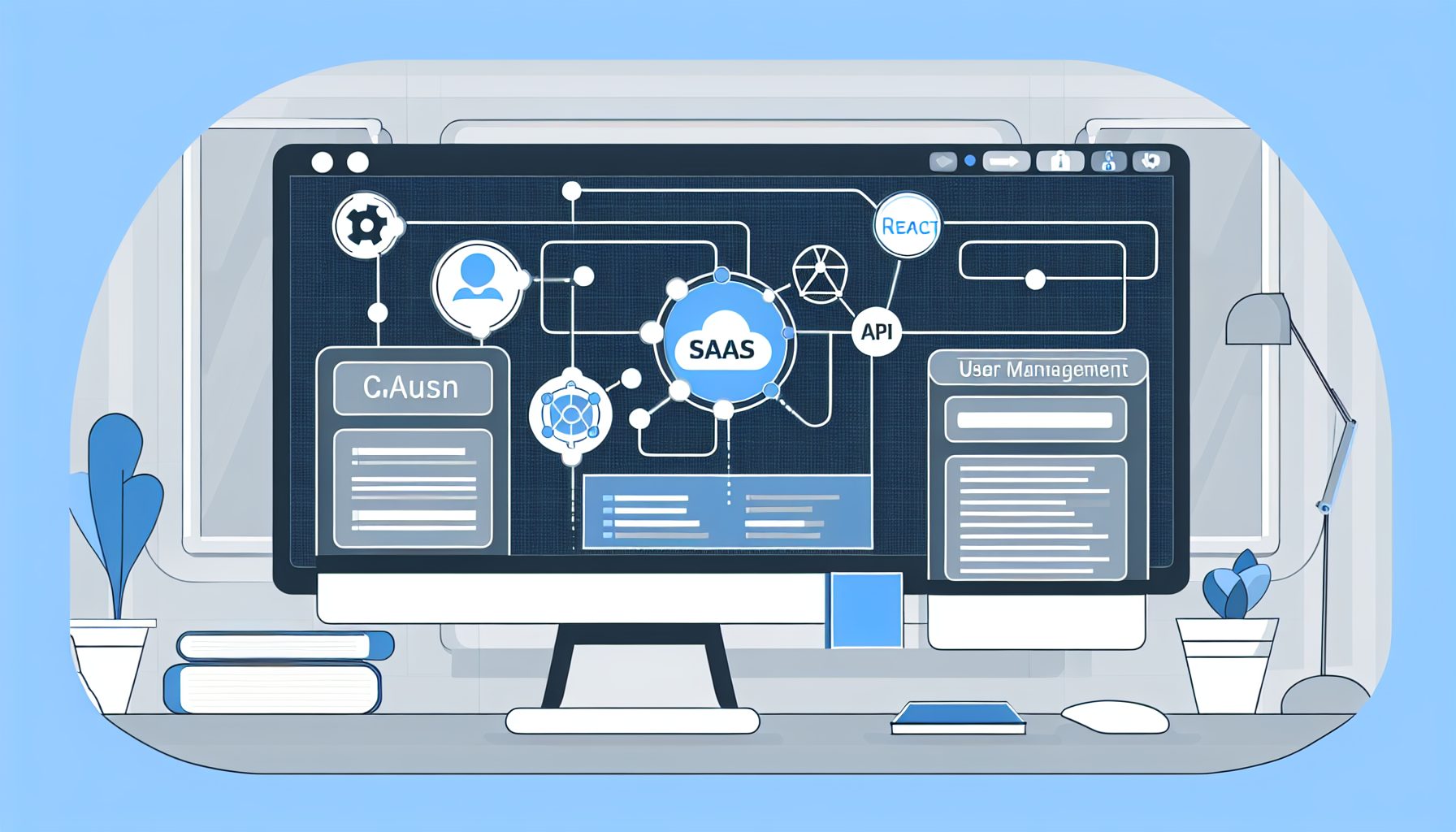
Designing a Scalable SaaS Admin Portal as a Progressive Web App: API-First Architecture with React and Node
With the growing popularity of software as a service (SaaS) applications, the demand for efficient and scalable admin portals is at an all-time high. This article will equip you with insights into creating a robust SaaS admin portal leveraging an API-first architecture alongside modern technologies like React and Node.js. Here, we explore the challenges, methodologies, and practical solutions to help you build an effective admin portal.
Estimated Reading Time: 8 minutes
- Understanding user roles and data management
- Design principles for scalability and performance
- Building connections between frontend and backend using APIs
- Implementing a progressive web app (PWA) for enhanced user experience
- Addressing common challenges in SaaS admin portal development
Table of Contents
- Context and Challenges
- Solution / Approach
- Concrete Example / Case Study
- FAQ
- Authority References
- Conclusion
Context and Challenges
Creating a SaaS admin portal requires a strategic approach that considers various user roles, intricate data management, and seamless integration. An admin portal serves as the operational backbone of a SaaS application, allowing administrators to effectively manage users, monitor system health, and configure settings. However, developers often encounter significant challenges, such as:
- Scalability: Ensuring the admin portal handles increasing loads without sacrificing performance.
- Data Management: Developing intuitive methods for visualizing and manipulating data as it grows.
- User Experience: Delivering an interface that minimizes frustration and enhances productivity.
- Integration: Facilitating efficient communication between your admin portal and various APIs.
Addressing these challenges is crucial for creating an admin portal that not only meets current demands but is also flexible enough to adapt to future needs.
Solution / Approach
Adopting an API-first architecture simplifies the design and development of scalable applications. This methodology prioritizes the development of APIs, ensuring that all client applications, including the admin portal, can communicate uniformly and effectively. Using React for the frontend and Node.js for the backend facilitates the creation of a responsive user interface built on a powerful server-side framework.
The typical workflow operates as follows: the frontend is developed using React, which communicates with the Node.js backend through a set of clearly defined APIs. This modular system structure allows for rapid changes and robust scalability. A notable example that aligns with this structure is the concept of Progressive Web Apps (PWAs), which enable your admin portal to load swiftly, operate offline, and emulate a native application experience.
For further insights on web development methodologies that support SaaS projects, explore resources such as MySushiCode, which offers a wealth of materials and code examples tailored for developers aiming to advance their skills.
Concrete Example / Case Study
Consider developing a SaaS application for a business management tool. Initiate the project by establishing a Node.js backend using Express.js to provide RESTful API services. The basic API operations can include user authentication, data retrieval, and real-time updates. Here’s a streamlined example of how the application may address various functionalities:
- During development, delineate your API endpoints clearly. For example, establish
/api/usersfor user operations and/api/usagefor tracking system usage statistics. - On the frontend, utilize React to craft components that dynamically display user information. Once an admin signs in, the application fetches user data from the backend with Axios, processing the response to render the designated dashboards.
- To enhance compliance and monitoring, integrate WebSocket for real-time notifications and updates, allowing admins to view changes instantaneously.
This implementation exemplifies a modular, robust solution that can easily adapt to user expansion and feature additions, showcasing the advantages of an API-first architecture.
FAQ
1. What is an API-first architecture?
An API-first architecture puts the design and implementation of application programming interfaces at the forefront, ensuring that different parts of the application can communicate effortlessly through these APIs.
2. Why choose React for building the admin portal?
React is renowned for its fast rendering capabilities and component-based architecture, making it an excellent choice for dynamic user interfaces. Furthermore, its extensive ecosystem and active community provide numerous libraries that enhance its functionality.
3. How does a progressive web app differ from traditional web applications?
PWA technology offers a richer user experience compared to standard web applications through features like offline functionality, faster load times, and mobile-app-like capabilities, such as push notifications and home screen installation, resulting in improved user engagement.
Authority References
- React Documentation
- Node.js Documentation
- What are Progressive Web Apps?
- Express.js Installation Documentation
Conclusion
In conclusion, designing a scalable SaaS admin portal necessitates thoughtful consideration and strategic planning. By leveraging an API-first architecture in conjunction with React and Node.js, developers can build a robust and adaptable foundation that evolves with user needs. Embracing contemporary web development practices will ensure the creation of an efficient, user-friendly admin portal designed to withstand the test of time. Continuous iteration in your development process is key, and resources like MySushiCode can be indispensable for enhancing your coding skills and achieving better project outcomes.


Leave a Reply